Rainbow Live: A Playful Display Font for Creative Branding
There’s something oddly satisfying about opening a blank brand board and watching ideas begin to take shape. I recently found myself in that moment, sketching out a logo concept for a handmade jewelry brand, when I stumbled upon Rainbow Live. The font immediately caught my eye with its whimsical curves and lively baseline rhythm. It wasn’t just a font—it felt like a spark of creativity waiting to be unleashed.
A Dance of Letters on the Baseline
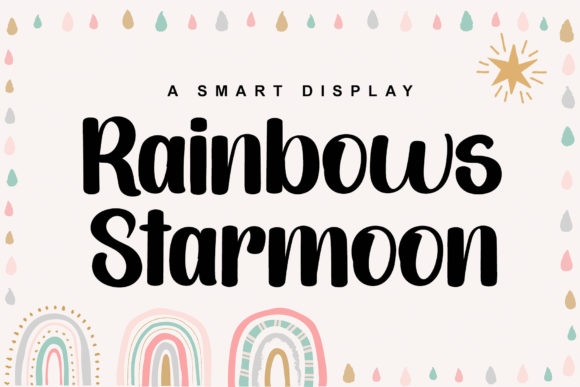
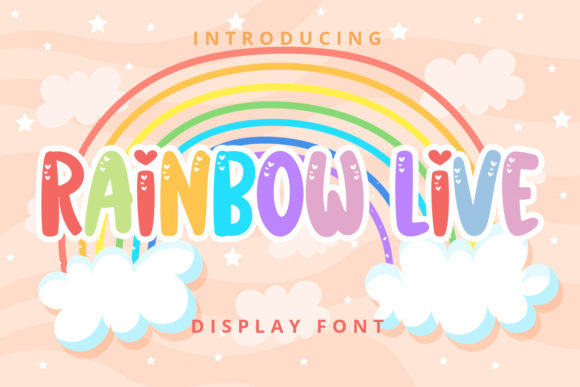
Rainbow Live is a display font that brings an infectious energy to any design. Its characters are designed with a playful flair, each one appearing to dance along the baseline as if enjoying a spontaneous celebration. The serifs are rounded and soft, giving the font a friendly and approachable vibe. It’s not your typical bold or minimalist typeface; instead, it leans into charm and character, making it ideal for projects that demand a touch of personality.
I tested it on a logo draft for a boutique skincare line, and the results were instantly engaging. The font didn’t feel too childish or overly decorative—it struck the perfect balance between fun and sophistication. It worked well as a headline but also added warmth to supporting text without overwhelming the overall design.
Real-World Applications in Branding Projects
As I continued testing Rainbow Live across different branding elements, I noticed how versatile it could be. On a packaging mockup for a small bakery, the font brought a sense of joy to product labels, making them stand out on store shelves. For a social media layout, it added visual interest to captions and call-to-action buttons without compromising readability.
On a website header, the font gave the brand a unique identity that was both memorable and inviting. It paired surprisingly well with a clean sans-serif font for body text, creating a harmonious contrast that guided the viewer’s eye naturally from headline to content.
In a business card design, the font helped elevate the overall look, transforming a simple piece of paper into something that felt more personal and creative. Even on a poster for a local art show, it added a sense of playfulness that matched the event’s theme perfectly.
When to Use (and When Not to Use) Rainbow Live
Rainbow Live shines brightest in short-form applications—logos, headlines, social media posts, and brand tags. Its style works especially well for creative industries like fashion, food, lifestyle, and handmade goods. However, it may not be the best fit for long paragraphs of body text or formal corporate communications where clarity and professionalism are key.
Using this font at smaller sizes can affect legibility, so it's best reserved for larger formats or when paired with a complementary serif or sans-serif font for body copy. If you're designing for print or digital use, always check the font’s availability in webfont formats and ensure it meets your licensing requirements for commercial use.
Font Pairing and Practical Tips
Rainbow Live pairs beautifully with a modern sans-serif font like Montserrat or Lato for a balanced look. For a more elegant feel, consider combining it with a classic serif font such as Georgia or Garamond. This combination creates a dynamic contrast that enhances visual hierarchy while keeping the design cohesive.
If you're using it in a brand identity system, test it across various mediums—print, digital, and even merchandise. Always review the font’s included styles, alternates, and ligatures to see how they contribute to the overall aesthetic. Checking multilingual support is also important if your brand operates globally.
Before finalizing any client work, I recommend testing Rainbow Live in real-world scenarios. Print a sample business card, preview a website layout, or create a mockup of a product label. Seeing how the font behaves in context will help you make informed decisions about its role in your design.
And remember, no matter how appealing a font looks, always verify the commercial licensing terms before using it in client projects, templates, or print-on-demand products. Ensuring proper usage protects both your work and your client’s brand integrity.